If I could change one public misunderstanding about rehab, it would be this: treatment is not finished on the day you fly home. The residential weeks build the foundation — but the first three to six months back in ordinary life, with its old streets, old contacts and old stresses, are where recovery is really tested. As clinical director, I consider aftercare not an optional extra but the second half of the program. We build it into every stay, because sending someone home with a handshake and good wishes is not responsible care.
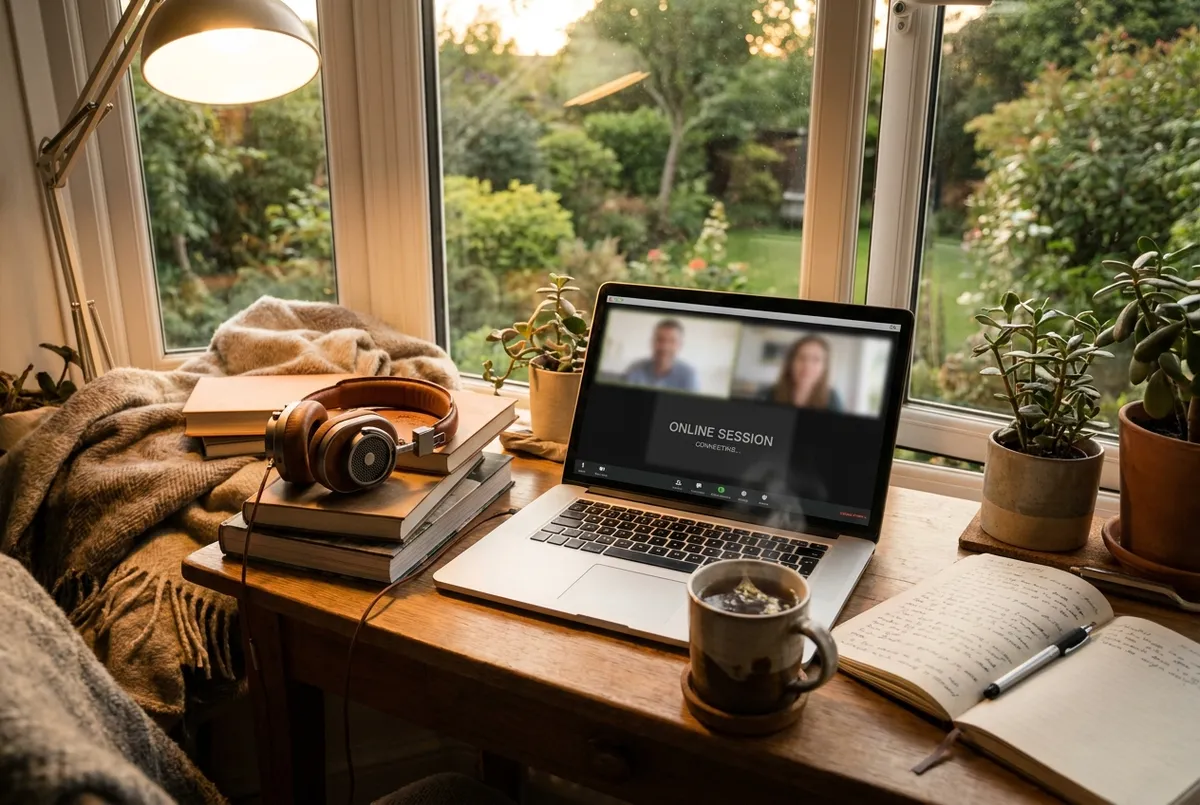
Aftercare at BaliRehabCenter starts before you leave. In your final week, you and your therapist turn everything you've learned into a written, concrete plan: your specific triggers, your early warning signs, your daily structure, your people, your plan B for the hard evenings. Then, once you're home, the support continues online — same faces, same trust, new circumstances.
Who this is for
Every guest completing a residential stay receives aftercare as part of the program. It is equally relevant whether you came for alcohol or drug treatment. We also welcome former guests returning to aftercare months later — a wobble is a reason to reach out, never a reason to hide.
What's included
A written relapse-prevention plan built with your therapist before departure
Regular online alumni groups — the circle continues across time zones
Check-in messaging support between sessions when things get sharp
Guidance on finding local resources: therapists, doctors, support meetings in your home city
Family guidance, so the people around you know how to help rather than hover
An open door: if you need to come back, the conversation is one message away
A typical day
Aftercare doesn't have a "day" — it has a rhythm. A typical week back home includes your scheduled video session, one alumni group, and the daily structure you built on the island: morning practice from the holistic program, honest routines around sleep and free time, and a plan for the week's known pressure points. When something unexpected hits — and it will — you message your counsellor instead of managing it alone. That single habit, reaching out instead of white-knuckling, is the strongest predictor of a good first year that we know of.
For an honest look at this phase, read our article on staying sober after rehab. And if you're months out from a program — ours or anyone's — and finding it hard, message us today. No judgment, just help.
Structured weekly support runs for the first three months after departure, with the option to extend for as long as it's useful. Alumni groups and messaging support stay open well beyond that — recovery timelines are personal.
What if I relapse after going home?
Then we deal with it together, quickly and without shame. A lapse is dangerous mainly when it's hidden. Your counsellor helps you stabilise, understand what happened and adjust the plan — and if a short return stay is the right move, we arrange it simply.
Are the online sessions with the same therapist I had in Bali?
Yes, wherever schedules allow — and they almost always do. Continuity is the whole point: your therapist already knows your history, your triggers and your strengths.
What time zones do you cover?
Our guests return home to Europe, Australia, Asia, the Middle East and the Americas, and we schedule sessions across all of them. The alumni groups run at several times to make attendance realistic.
Can I join aftercare if I did treatment somewhere else?
In many cases, yes — we offer online support to people who completed a program elsewhere and want structured follow-up. Message us confidentially and we'll assess whether our format fits your situation.
Ready to Talk — Quietly?
One confidential WhatsApp message starts a conversation, not a commitment. A clinician replies personally, 24/7.
If you or someone you love is in immediate danger or medical crisis, call local emergency services now. This website is informational and not a substitute for professional medical advice.